Type
Multifamily
Area
over 10,000m²
Status
Under construction
Location
Palmas – TO
Year
2024
Client
Haura Incorporadora
About the project
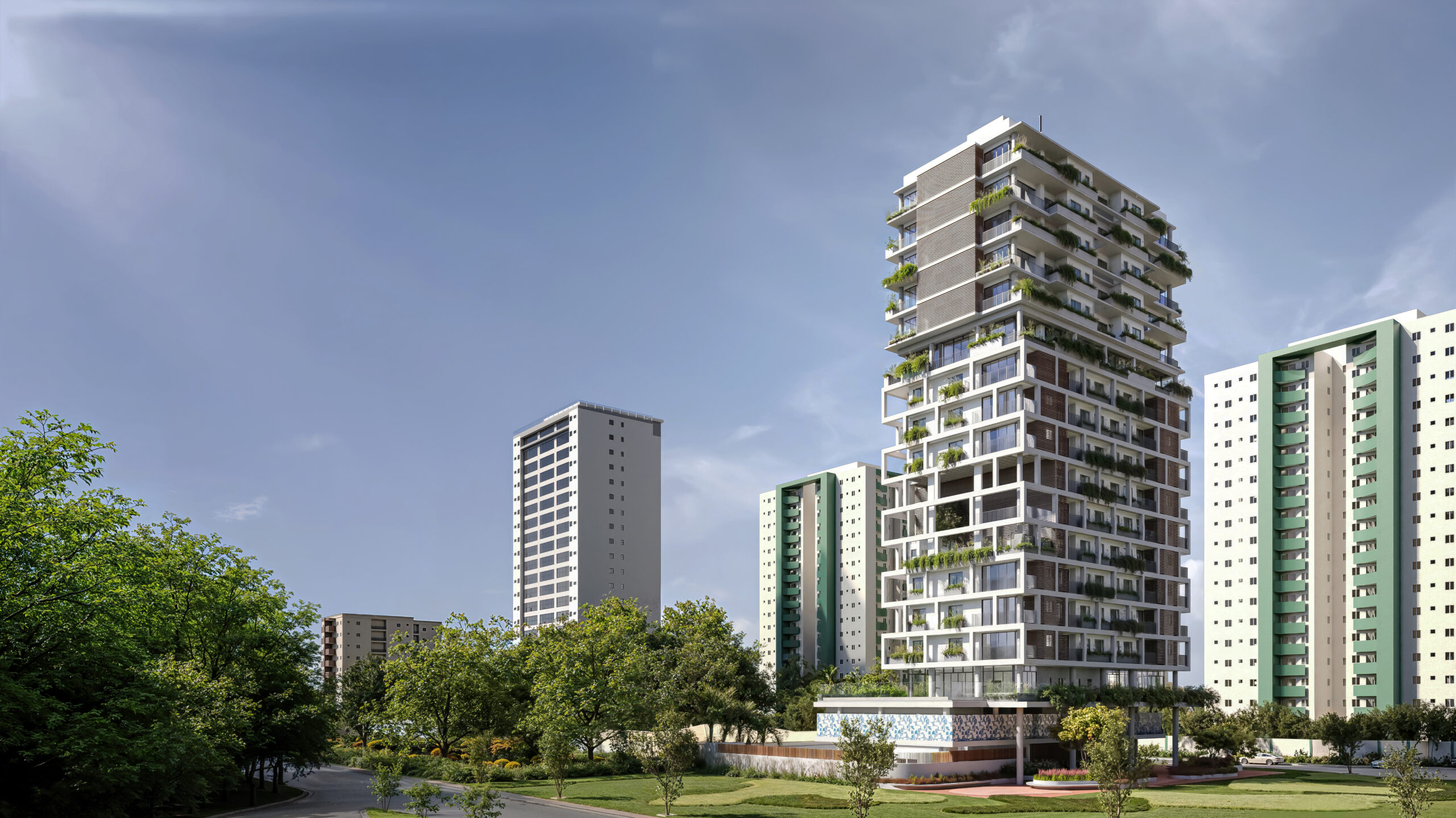
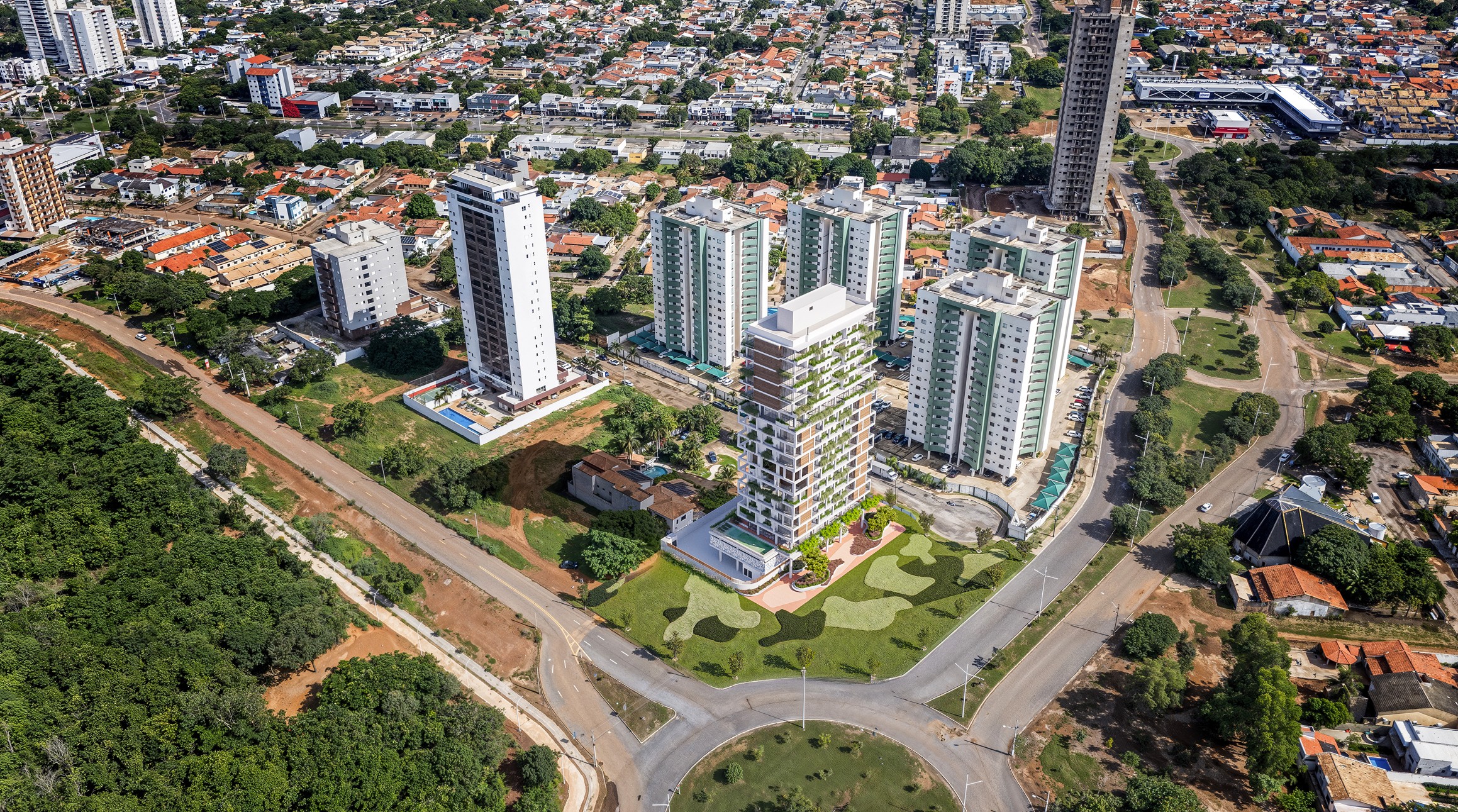
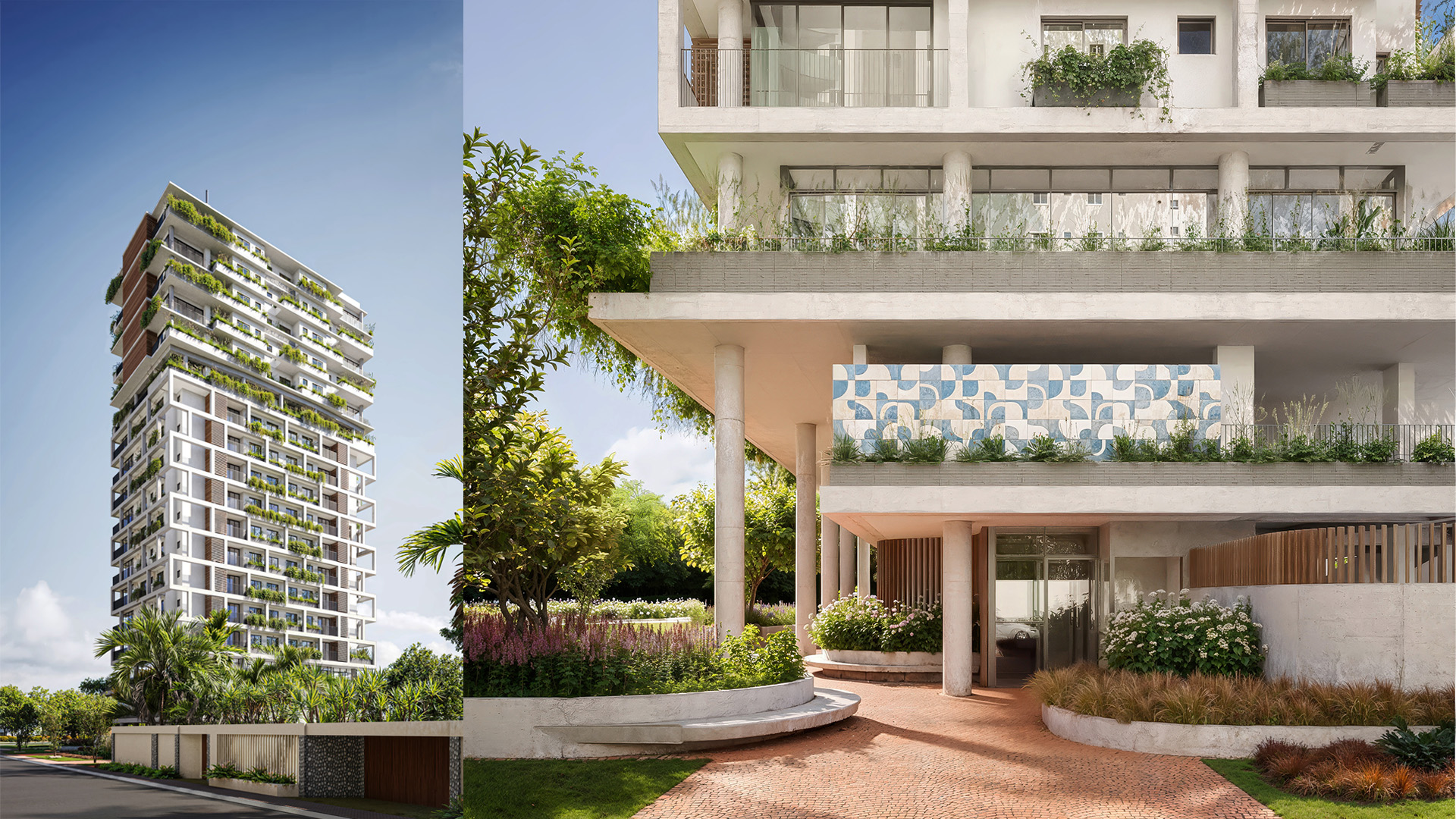
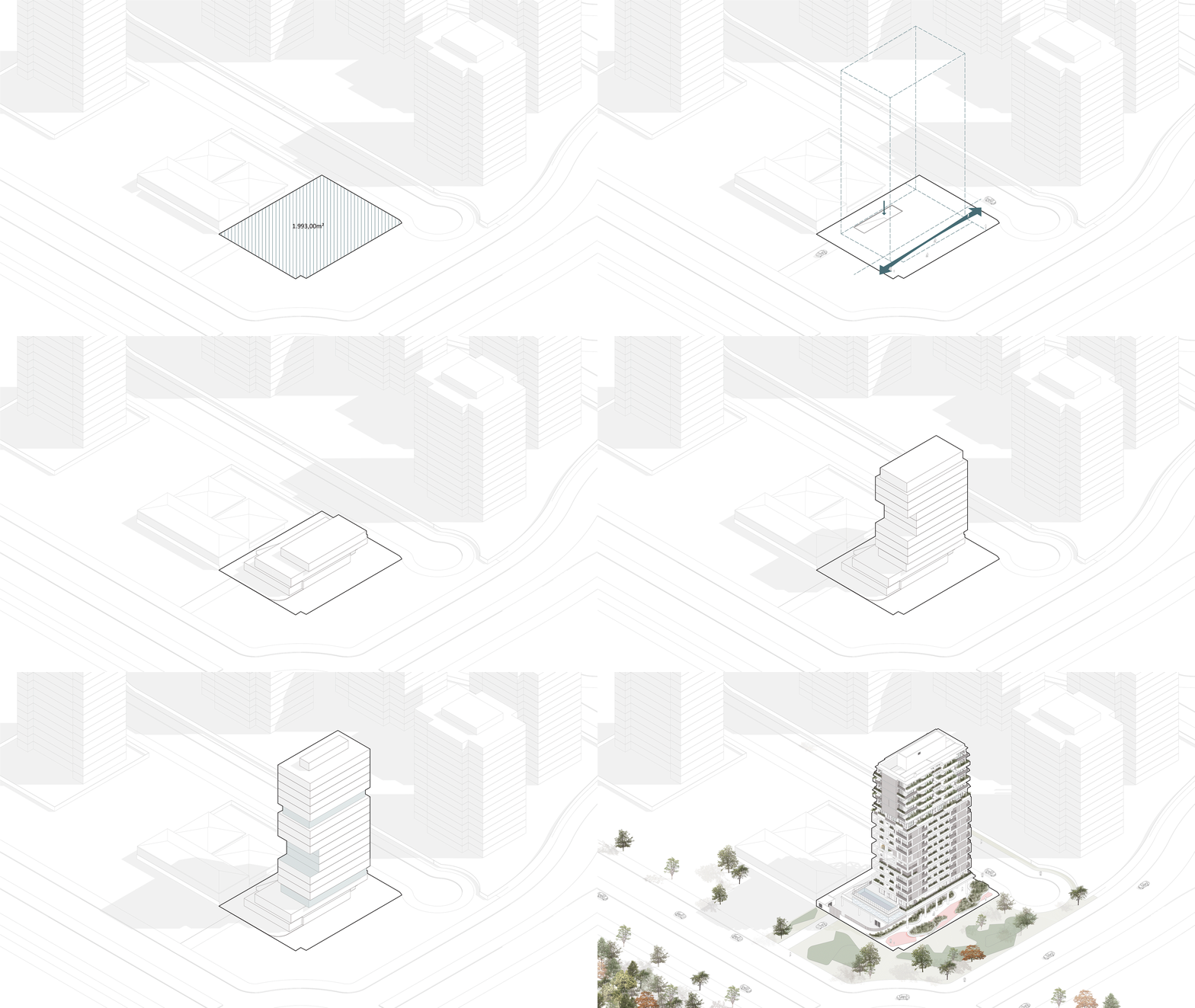
The plot has an area of 1,993.00 m², surrounded by environmental preservation areas and located on a cul-de-sac, Alameda 01. In compliance with a requirement from the urban planning department, the building’s main entrance was designed to face this street. To achieve this, a plaza was created within the site, establishing a connection between the superblock residents and the park, strengthening the relationship between the development and its surroundings.
The privileged views around the building guided the design of the recreational spaces, conceived in a democratic way so that all residents could equally benefit from the landscape and from the visual and emotional comfort it provides. The program includes a swimming pool, event and party areas, spaces for yoga practice, a fitness center, coworking facilities, and children’s areas.
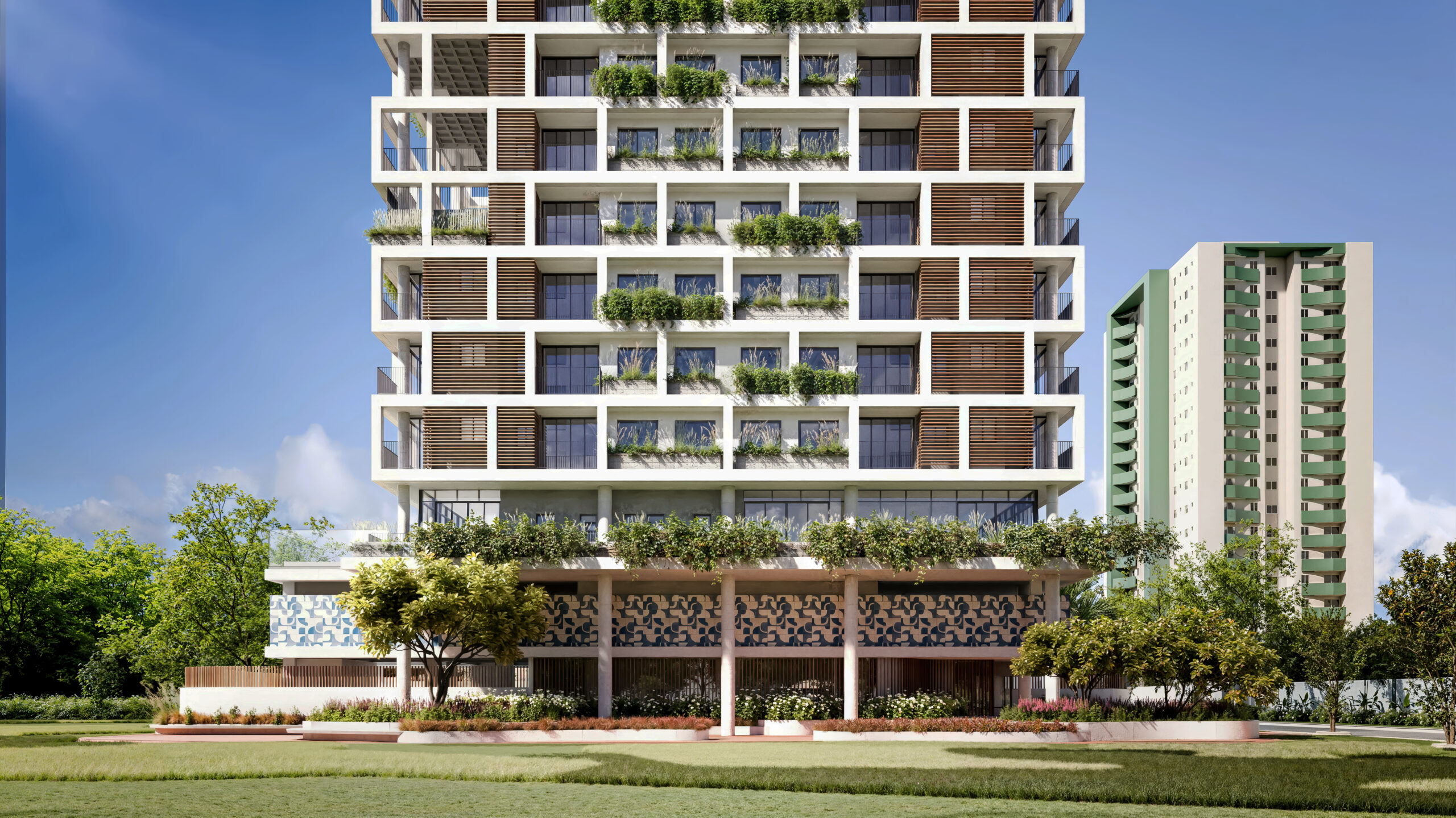
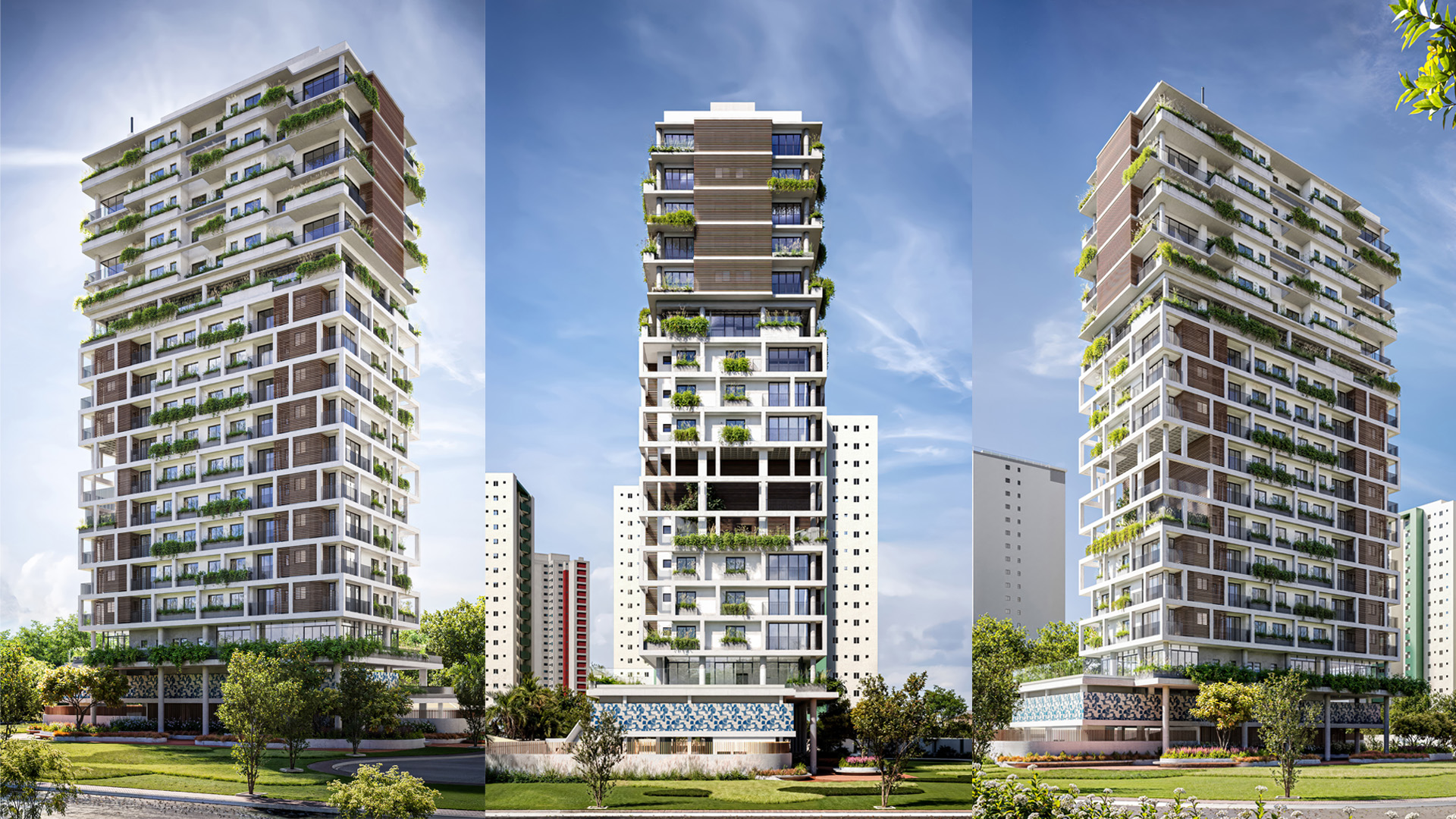
The two- and three-bedroom apartments were designed with close attention to the local climate, characterized by hot and dry winters and heavy rainfall during summer. As a response, the project embraces the principles of bioclimatic architecture, incorporating solutions that establish a direct dialogue between building and climate. One of these strategies is the creation of a second built layer: a structural mesh that provides shading to the façades and serves as a support for vegetation.
Based on the climate analysis, the need to adopt passive energy systems—such as shading, thermal inertia, and natural ventilation—was identified to ensure year-round thermal comfort and reduce dependence on artificial systems. At certain times of the day, however, the use of air conditioning becomes necessary as a complementary measure. The application of these bioclimatic strategies leads to a significant reduction in energy consumption, promoting efficiency, sustainability, and enhancing the value of the building, while also improving the environmental quality of its interior spaces.
Vegetation integrated into the façades plays a fundamental role in this process. In addition to contributing to thermal performance, it reduces direct solar radiation, improves air quality, and adds aesthetic value to the building. This biophilic approach strengthens the relationship between architecture, nature, and well-being, ensuring quality of life for residents and promoting a more sustainable building that remains deeply connected to its context.